Understanding the difference between chlorine allergies and chlorine sensitivity is crucial for choosing the right protection strategy. While both conditions cause skin reactions, they have different underlying causes and require different approaches to management.
Chlorine Allergy vs. Sensitivity: The Key Differences
True chlorine allergies are rare and involve an immune system response, while chlorine sensitivity is more common and represents a direct chemical irritation. Understanding which you have affects your treatment approach. The confusion between these two conditions is understandable because they can produce similar symptoms, but the underlying mechanisms and treatment approaches are fundamentally different.
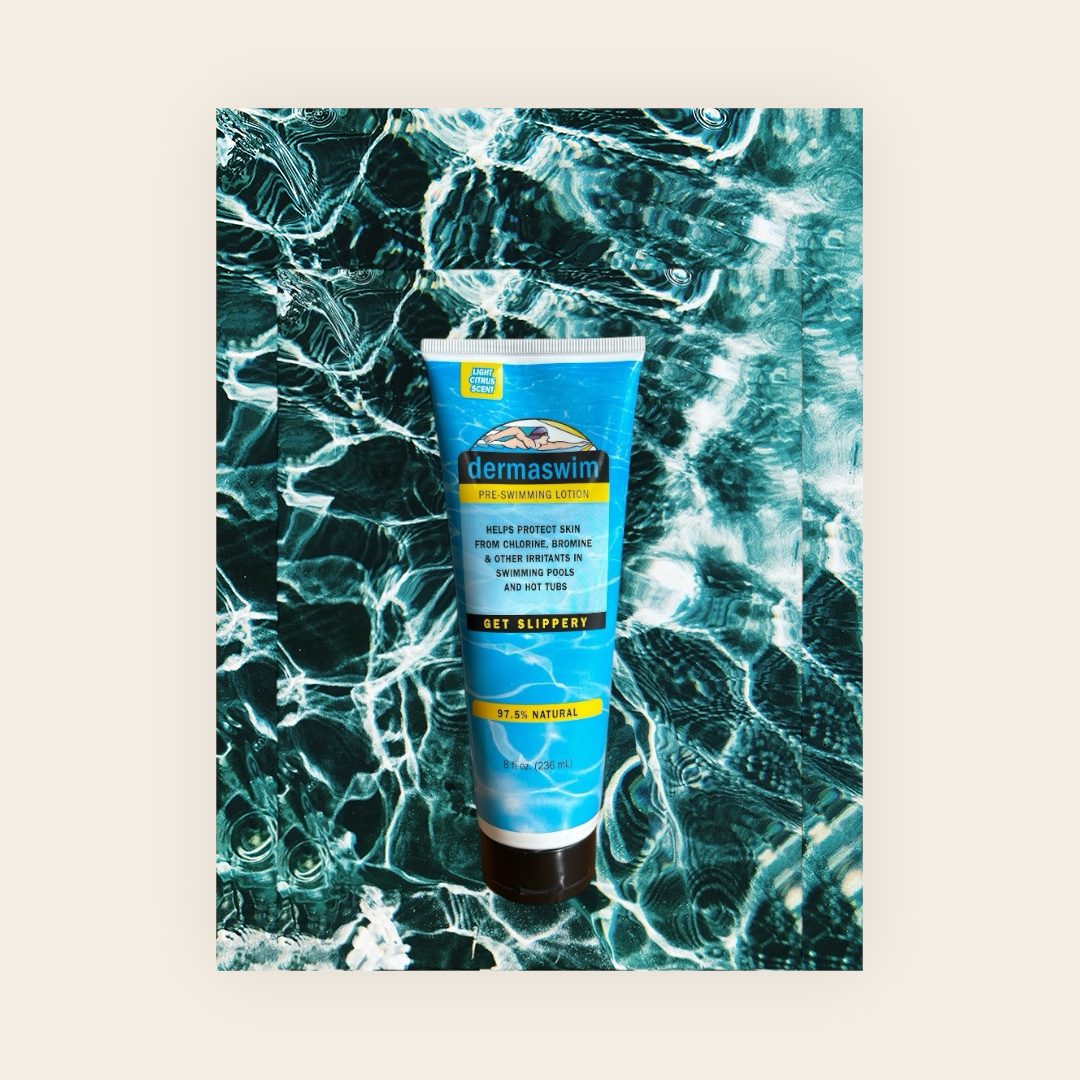
The distinction matters because it determines everything from the urgency of treatment to the type of protection you need. Allergies require complete avoidance and emergency preparedness, while sensitivity can often be managed with protective barriers like DermaSwim that prevent direct chemical contact with your skin.
Understanding True Chlorine Allergies
Genuine chlorine allergies are extremely rare, affecting less than 0.1% of the population. When they do occur, they represent a true immune system response to chlorine exposure. These allergies involve the immune system mistakenly identifying chlorine as a threat and mounting an allergic response. The process involves IgE mediated responses through the production of immunoglobulin E antibodies specific to chlorine compounds.
True chlorine allergies have rapid onset, with symptoms typically appearing within minutes of exposure. They can cause systemic reactions that affect multiple body systems beyond just the skin, and they produce consistent responses with every exposure, regardless of chlorine concentration. This consistency is one of the key diagnostic features that distinguishes true allergies from sensitivity reactions.
Symptoms of true chlorine allergies include immediate hives or welts appearing within minutes, respiratory symptoms like wheezing or difficulty breathing, and swelling of face, lips, or tongue. Severe itching that doesn't respond to typical treatments is common, and in severe cases, anaphylaxis can occur, representing a life-threatening allergic reaction requiring immediate medical attention.
Understanding Chlorine Sensitivity
Chlorine sensitivity, also known as chlorine intolerance, is far more common and represents a direct chemical irritation rather than an immune response. This condition involves direct chemical irritation where chlorine directly damages skin and mucous membranes without involving the immune system. The severity depends on chlorine concentration and exposure time, making it dose-dependent in a way that true allergies are not.
Chlorine sensitivity typically has delayed onset, with symptoms developing hours after exposure rather than immediately. The reactions are localized, primarily affecting areas directly exposed to chlorinated water, and they show variable responses that can vary based on skin condition and environmental factors. This variability contrasts sharply with the consistent reactions seen in true allergies.
Symptoms of chlorine sensitivity include red, irritated skin that develops gradually, dry and tight feeling skin, and burning or stinging sensations. The itching intensifies over time rather than appearing immediately, and the skin develops a rough, scaly texture. Eye irritation and redness are common, particularly in indoor pool environments where chloramine vapors concentrate.
Diagnostic Approaches
Distinguishing between allergy and sensitivity requires careful evaluation that begins with comprehensive medical history assessment. The timing of symptoms provides crucial diagnostic information, allergic reactions occur immediately upon exposure, while sensitivity symptoms develop gradually over hours. Symptom patterns also differ significantly, with allergies causing consistent reactions regardless of exposure levels, while sensitivity varies directly with the amount and concentration of chlorine encountered. Family history plays an important role since allergies often have genetic components, and documenting all previous reactions to chlorine exposure helps establish patterns that guide diagnosis.
Allergy testing provides objective measures to confirm or rule out true allergic reactions. Skin prick tests can identify specific allergens, though chlorine testing presents technical challenges due to the reactive nature of the chemical. Blood tests measure IgE antibodies specific to chlorine compounds, providing clear evidence of immune system involvement. Patch testing evaluates delayed-type hypersensitivity reactions, while challenge tests involve controlled exposure under medical supervision to definitively establish the presence or absence of true allergic responses.
Professional evaluation ensures accurate diagnosis and appropriate treatment planning. Dermatologists can assess skin reactions and rule out other conditions that might mimic chlorine-related problems. Allergists specialize in immune system responses and allergy testing, providing expertise in distinguishing true allergies from sensitivities. Pulmonologists may be needed if respiratory symptoms are present, as chlorine exposure can affect multiple organ systems. Proper diagnosis is essential for appropriate treatment planning and determines whether complete avoidance or protective measures like DermaSwim are most appropriate.
Treatment Approaches for Each Condition
The treatment strategy depends on whether you're dealing with an allergy or sensitivity:
True Chlorine Allergy Management:
- Complete Avoidance: May require avoiding all chlorinated water sources
- Emergency Preparedness: Carry epinephrine auto-injector if prescribed
- Antihistamines: Pre-treatment may help reduce reaction severity
- Medical Supervision: Regular monitoring by allergist or healthcare provider
- Alternative Exercise: May need to find non-chlorinated swimming options
Chlorine Sensitivity Management:
- Protective Barriers: Products like DermaSwim can prevent direct contact
- Exposure Limitation: Reduce swimming time and frequency as needed
- Post-Exposure Care: Immediate rinsing and moisturizing
- Pool Selection: Choose well-maintained pools with proper chemical balance
- Gradual Exposure: May be able to build tolerance over time
Risk Factors and Predisposing Conditions
Certain factors increase the likelihood of developing either condition:
Allergy Risk Factors:
- Personal history of other allergies (asthma, eczema, food allergies)
- Family history of allergic conditions
- Occupational exposure to chlorine compounds
- Pre-existing respiratory conditions
Sensitivity Risk Factors:
- Dry or sensitive skin conditions
- Recent skin injuries or compromised barrier function
- Frequent swimming or prolonged chlorine exposure
- Use of harsh skincare products
- Certain medications that increase skin sensitivity
Protection for Both Conditions
Whether you have an allergy or sensitivity, DermaSwim provides effective protection by creating a barrier that prevents chlorine from contacting your skin, reducing the risk of reactions.
For individuals with chlorine sensitivity, DermaSwim's protective barrier can make the difference between comfortable swimming and painful reactions. The product's 97.5% natural formula is gentle enough for sensitive skin while providing robust protection against chemical exposure.
For those with true chlorine allergies, while complete avoidance may be necessary, DermaSwim could potentially allow limited, supervised exposure under medical guidance. However, individuals with confirmed chlorine allergies should always consult with their healthcare provider before any chlorine exposure.
When to Seek Professional Help
Certain symptoms warrant immediate medical attention:
Emergency Situations:
- Difficulty breathing or wheezing
- Swelling of face, lips, or tongue
- Severe full-body rash or hives
- Dizziness or loss of consciousness
- Rapid pulse or significant blood pressure changes
Non-Emergency Professional Consultation:
- Persistent symptoms that don't improve with basic treatment
- Worsening reactions with each exposure
- Uncertainty about whether reactions are allergic or sensitivity-based
- Need for proper diagnosis and treatment planning
Prevention Strategies
Regardless of whether you have an allergy or sensitivity, prevention is key:
General Prevention Measures:
- Use protective barriers like DermaSwim before swimming
- Choose pools with proper chemical balance
- Limit exposure time during swimming sessions
- Rinse immediately after swimming
- Monitor skin condition and adjust protection as needed
Long-term Management:
- Work with healthcare providers to develop comprehensive management plans
- Keep detailed records of reactions and triggers
- Stay informed about new treatment options and protective products
- Consider joining support groups for individuals with similar conditions
Universal Protection Solution
Protect your skin regardless of whether you have allergies or sensitivity. DermaSwim's barrier technology works for both conditions.
Buy NowIf you experience swelling, difficulty breathing, or hives that do not resolve, seek medical attention immediately.
Important Disclaimer: This content is for informational purposes only and is not medical advice. Always consult with a healthcare provider before making decisions about skin care, especially if you have existing skin conditions or concerns about chemical exposure. Individual results may vary.