Not all chlorine-related skin reactions are the same. Understanding whether you're dealing with an allergic reaction or chemical irritation helps you choose the right treatment approach and protection strategy.
Allergic vs. Irritant Reactions
Chlorine allergy rashes involve immune system responses and tend to be more severe and persistent, while irritant reactions are direct chemical damage that resolves more quickly with proper care.
Detailed Comparison: Allergy vs. Irritation
Understanding the specific differences helps you identify which type of reaction you're experiencing:
Timing of onset provides the most reliable diagnostic clue. Allergic reactions appear rapidly, often within minutes of exposure, while irritant reactions develop gradually, typically hours after exposure. Subsequent exposures reveal another pattern: allergic reactions may worsen with each exposure as the immune system becomes more sensitized, while irritant reactions remain relatively consistent. First-time exposure can trigger irritant reactions immediately, but allergic reactions need prior sensitization to develop.
Visual characteristics differ significantly between the two conditions. Allergic reactions typically present as raised welts, hives, or widespread redness that can spread beyond the initial contact area. Irritant reactions show localized redness, dryness, or scaling that stays confined to exposed areas. Distribution patterns also vary: allergic reactions can affect unexposed areas through systemic responses, while irritant reactions stay localized to contact zones. Symmetry provides another clue since allergic reactions may be asymmetrical due to immune system involvement, while irritant reactions follow predictable exposure patterns.
Associated symptoms reveal the systemic nature of allergic reactions compared to the localized nature of irritation. Allergic reactions may include respiratory symptoms, swelling, or systemic effects that affect multiple body systems. Irritant reactions remain primarily skin-related with symptoms confined to the contact area. Severity differs dramatically since allergic reactions can be life-threatening through anaphylaxis, while irritant reactions are typically localized and manageable. Response to treatment also differs: allergic reactions require antihistamines and sometimes emergency intervention, while irritant reactions respond well to topical care and barrier repair.
Identifying True Chlorine Allergies
Genuine chlorine allergies are rare but serious conditions that require medical attention:
Diagnostic Criteria:
- Immediate Onset: Symptoms appear within 15 minutes of exposure
- Consistent Reactions: Occurs with every chlorine exposure regardless of concentration
- Systemic Involvement: May affect breathing, circulation, or other body systems
- Positive Allergy Testing: Confirmed through medical allergy testing
Common Allergens in Pool Environments:
- Chlorine Compounds: Sodium hypochlorite, calcium hypochlorite
- Chloramine Byproducts: Formed when chlorine reacts with organic matter
- Pool Chemicals: pH adjusters, algaecides, or shock treatments
- Equipment Materials: Latex, rubber, or metal components
Understanding Irritant Contact Dermatitis
The majority of chlorine-related skin problems are irritant reactions rather than true allergies:
Mechanism of Irritation:
- Direct Chemical Damage: Chlorine disrupts skin barrier function
- Protein Denaturation: Changes skin protein structure
- Lipid Disruption: Damages protective skin oils
- pH Imbalance: Alters skin's natural acidity
Factors Affecting Irritation Severity:
- Concentration: Higher chlorine levels cause more damage
- Exposure Time: Longer contact increases irritation
- Skin Condition: Compromised barriers are more vulnerable
- Individual Sensitivity: Varies significantly between people
Risk Assessment for Each Condition
Understanding your risk profile helps determine appropriate precautions:
Allergy Risk Factors:
- Personal History: Previous allergic reactions to any substances
- Family History: Genetic predisposition to allergies
- Atopic Conditions: Asthma, eczema, or hay fever
- Occupational Exposure: Work-related chlorine contact
Irritation Risk Factors:
- Skin Type: Dry, sensitive, or fair skin
- Age: Very young or elderly individuals
- Skin Conditions: Eczema, psoriasis, or dermatitis
- Medications: Drugs that increase skin sensitivity
Treatment Approaches for Each Condition
Different conditions require different treatment strategies:
Allergic Reaction Treatment:
- Immediate Removal: Leave chlorinated environment immediately
- Antihistamines: Oral or topical antihistamines to reduce immune response
- Corticosteroids: May be needed for severe reactions
- Emergency Care: Seek immediate medical attention for severe reactions
- Epinephrine: May be required for anaphylaxis
Irritant Reaction Treatment:
- Gentle Cleansing: Remove chlorine residue with mild soap
- Moisturizing: Restore skin barrier function
- Cool Compresses: Reduce inflammation and discomfort
- Topical Treatments: Aloe vera, hydrocortisone, or similar products
- Barrier Repair: Focus on restoring skin health
Diagnostic Testing Options
Professional testing can definitively distinguish between allergies and irritation:
Allergy Testing:
- Skin Prick Tests: Immediate reaction testing
- Patch Testing: Delayed reaction assessment
- Blood Tests: IgE antibody measurement
- Challenge Tests: Controlled exposure under medical supervision
Irritation Assessment:
- Clinical Examination: Dermatological assessment
- Patch Testing: Rule out allergic components
- Barrier Function Tests: Measure skin integrity
- pH Testing: Assess skin acid mantle
Universal Protection
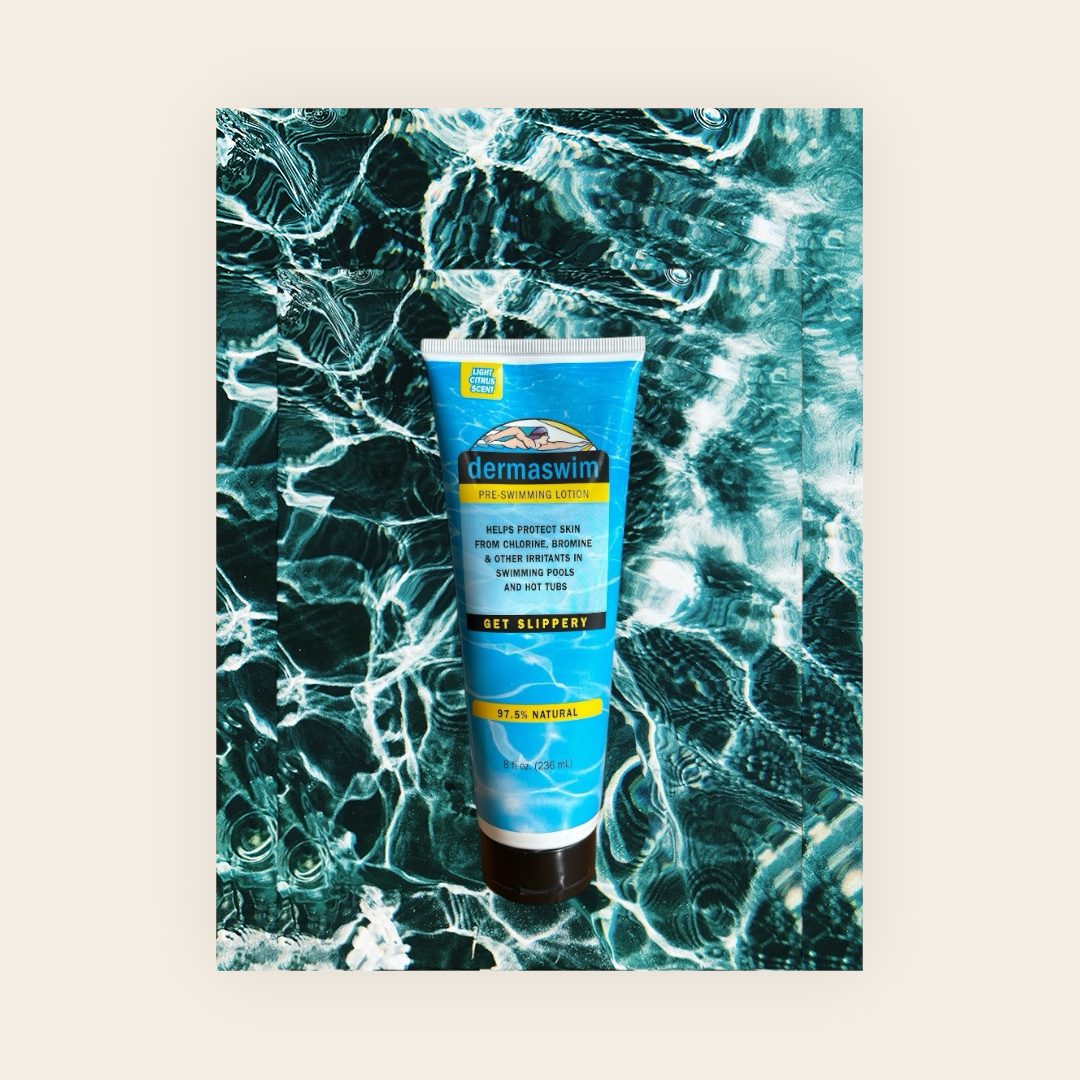
Whether you have allergies or sensitivity, DermaSwim provides effective protection by preventing chlorine from contacting your skin, reducing the risk of both allergic and irritant reactions.
Benefits for Allergic Individuals:
- Complete Barrier: Prevents allergen contact with skin
- Reduced Exposure: Minimizes risk of sensitization
- Safe Formula: Hypoallergenic ingredients
- Medical Supervision: Can be used under healthcare provider guidance
Benefits for Irritation-Prone Individuals:
- Chemical Barrier: Blocks irritating substances
- Skin Protection: Maintains barrier function
- Gentle Formula: Won't worsen existing irritation
- Consistent Protection: Reliable results with proper use
Long-term Management Strategies
Successful management requires ongoing attention and adjustment:
For Allergic Individuals:
- Avoidance Planning: Identify and avoid all triggers
- Emergency Preparedness: Carry appropriate medications
- Regular Monitoring: Track reactions and triggers
- Professional Support: Maintain relationship with allergist
For Irritation-Prone Individuals:
- Consistent Protection: Use barriers before every exposure
- Skin Care Routine: Maintain healthy skin barrier
- Exposure Management: Limit duration and frequency as needed
- Response Planning: Have treatment protocols ready
Protection for All Skin Types
Protect your skin from chlorine reactions regardless of whether you have allergies or sensitivity. DermaSwim helps protect all skin types.
Buy NowIf you experience swelling, difficulty breathing, or hives that do not resolve, seek medical attention immediately.
Important Disclaimer: This content is for informational purposes only and is not medical advice. Always consult with a healthcare provider before making decisions about skin care, especially if you have existing skin conditions or concerns about chemical exposure. Individual results may vary.