Chlorine rash is exactly what it sounds like: skin irritation caused by exposure to chlorinated pool water. It's one of the most common complaints among swimmers, and it's frequently misunderstood. Some swimmers assume it means their pool is dirty, or that they're allergic to chlorine, or that there's something wrong with their skin. In most cases, none of those are true. Chlorine rash is simply what happens when skin has had too much direct chlorine contact without adequate protection.
Here's how to recognize it, what typically helps it settle, and, most importantly, how to stop it from developing in the first place.
What chlorine rash looks like
Chlorine rash usually appears as red, itchy, irritated skin that shows up during or after swimming. The specific presentation varies from person to person, but the most common signs include:
- Redness on areas that were submerged or had direct pool contact, arms, legs, torso, neck
- Itching that begins during the swim or within the first hour after getting out
- Small raised bumps or patches on the skin surface
- A general feeling of skin tightness and dryness across the affected areas
- Irritation that is more intense in areas where skin is thinner or more sensitive
Chlorine rash is typically distinct from swimmer's itch, which is caused by a parasite in natural water and presents differently. If you're experiencing rash symptoms specifically after pool use, chlorine contact is the most likely cause.
If symptoms are severe, persist beyond a day or two, or are accompanied by signs like significant swelling or hives that aren't improving, see a dermatologist. Persistent or severe reactions warrant professional evaluation.
What helps it settle
Chlorine rash is caused by skin irritation, and the most effective way to help it calm down is to remove the source of irritation and support skin recovery.
Rinse immediately. As soon as you leave the pool, rinse your skin thoroughly with fresh water. The faster you get chlorine off your skin, the less time it has to continue affecting the surface.
Use a gentle cleanser. A mild, fragrance-free body wash is preferable to a heavily formulated soap, which can add to the irritation. Clean thoroughly but gently.
Moisturize while skin is slightly damp. Apply a fragrance-free, gentle moisturizer after rinsing to help support skin recovery and reduce the dryness that accompanies chlorine rash.
Avoid aggravating the skin further. Hot showers, harsh towel drying, and fragranced products can all add to the irritation while skin is already compromised. Keep post-swim care gentle until the skin has settled.
For most swimmers, chlorine rash from a single session will ease within 24 to 48 hours with proper post-swim care. If you're experiencing it consistently with every swim, the more effective approach is prevention.
How to prevent chlorine rash before your next swim
Post-swim care helps skin recover. Pre-swim protection helps prevent the rash from developing in the first place. These are different interventions, and the timing is what makes the difference.
When you apply a pre-swim barrier lotion before entering the pool, you're creating a physical layer on the skin's surface that helps reduce how much direct chlorine contact your skin experiences during your session. Less direct contact means less disruption to your skin's natural oil layer, which means less rash, less itching, and less of that post-swim irritation.
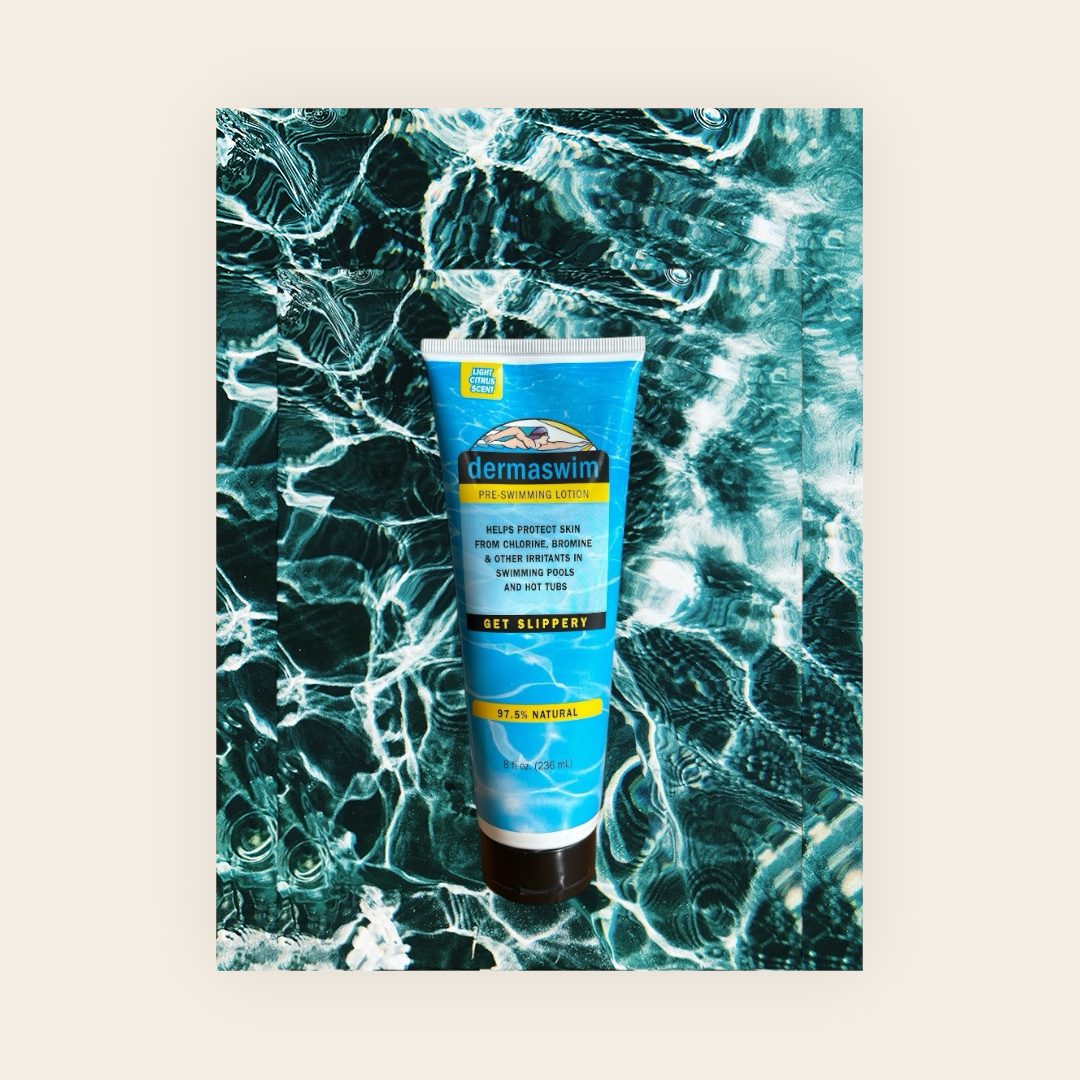
DermaSwim Pre-Swimming Lotion was built for exactly this. The world's first pre-swimming lotion, its formula, beeswax, coconut oil, aloe vera, green tea extract, and grapefruit seed oil, creates a barrier that holds in the pool. Apply it before getting in. 97.5% natural. Paraben-free.
Swimmers who make pre-swim protection a consistent habit typically notice a significant reduction in how often and how severely chlorine rash develops. For people whose skin is sensitive or who swim frequently, it's the most impactful single change to make.
Prevent chlorine rash before your next swim.
DermaSwim is available on .
This content is for informational purposes only and does not constitute medical advice. If you are experiencing persistent, severe, or worsening skin symptoms, consult a dermatologist. DermaSwim is a cosmetic product, not a medical treatment. *97.5% natural based on weight/volume of natural-origin ingredients.