Chlorine rash recovery time depends on several factors including severity, your skin type, and how quickly you begin treatment. Understanding the typical timeline can help you manage expectations and take appropriate action.
Typical Recovery Timeline
Mild chlorine rash typically resolves within 24-48 hours with proper care, while more severe cases may take 5-7 days. The key is preventing further exposure during the healing process.
Mild chlorine rash typically follows a 24-48 hour recovery timeline that begins with redness and mild irritation appearing on day one. Day two brings peak symptoms as skin feels tight and dry, marking the worst of the discomfort. Day three shows gradual improvement with proper care, and by day four, most symptoms resolve as skin returns to normal function and appearance.
Moderate chlorine rash extends the recovery period to 3-7 days, starting with significant redness, itching, and burning during days 1-2. Days 3-4 often see symptoms intensify with possible swelling as the inflammatory response peaks. Gradual improvement begins around days 5-6, with complete resolution typically achieved by days 7-10 when proper treatment is consistently applied.
Severe chlorine rash can persist for 1-3 weeks, beginning with intense inflammation and possible blistering during the first week. The second week marks the beginning of healing as skin may peel or flake while regenerating. Week three typically brings complete recovery, though potential scarring may remain as a permanent reminder of the damage. Cases extending beyond three weeks may require medical intervention to prevent complications.
Factors Affecting Recovery Time
Several variables influence how quickly chlorine rash heals:
Personal factors play a significant role in determining recovery speed. Age influences healing time since younger skin typically heals faster due to higher cell turnover rates and better circulation. Overall health impacts recovery because good nutrition and hydration support the healing process through optimal cellular function. Skin type affects recovery duration since naturally oily skin may recover more quickly due to better moisture retention and barrier function. A strong immune system accelerates healing by efficiently managing inflammation and tissue repair.
Exposure-related factors directly correlate with recovery time. Duration of exposure follows a simple rule: longer exposure equals longer recovery time as more extensive damage requires more time to heal. Chlorine concentration plays a critical role since higher levels cause more severe damage that takes longer to repair. Pre-existing skin condition impacts recovery since irritation worsens symptoms and prolongs healing, while immediate response matters because quick action reduces severity and speeds recovery.
Treatment factors significantly influence recovery time. Early intervention through prompt treatment speeds recovery by addressing damage before it becomes severe. Proper care using correct treatment methods is crucial for optimal healing, while consistency in regular care application improves outcomes. Avoiding irritants during the healing process prevents further damage that could extend recovery time.
Accelerating Recovery
Several strategies can help speed up chlorine rash healing:
Immediate Care (First 24 Hours):
- Cool Compresses: Apply cold, damp cloths to reduce inflammation
- Gentle Cleansing: Remove all chlorine residue immediately
- Hydration: Apply moisturizer while skin is still damp
- Avoid Heat: Skip hot showers and direct sun exposure
Ongoing Treatment (Days 2-7):
- Consistent Moisturizing: Apply hydrating products multiple times daily
- Anti-Inflammatory Care: Use products containing aloe vera or chamomile
- Gentle Cleansing: Use mild, fragrance-free cleansers
- Hydration: Drink plenty of water to support healing
Advanced Recovery Support:
- Humidification: Use humidifiers to maintain skin moisture
- Nutrition: Eat foods rich in vitamins A, C, and E
- Sleep: Adequate rest supports immune function
- Stress Management: Reduce stress to support healing
When to Seek Medical Attention
Certain symptoms require professional medical evaluation:
Immediate Medical Attention:
- Severe Blistering: Large or numerous blisters
- Signs of Infection: Pus, red streaks, or fever
- Severe Swelling: Significant facial or body swelling
- Breathing Difficulty: Respiratory symptoms
Professional Consultation:
- No Improvement: No healing after 7 days
- Worsening Symptoms: Condition deteriorates despite treatment
- Recurring Problems: Frequent chlorine rash episodes
- Scarring Concerns: Potential for permanent damage
Preventing Future Rashes
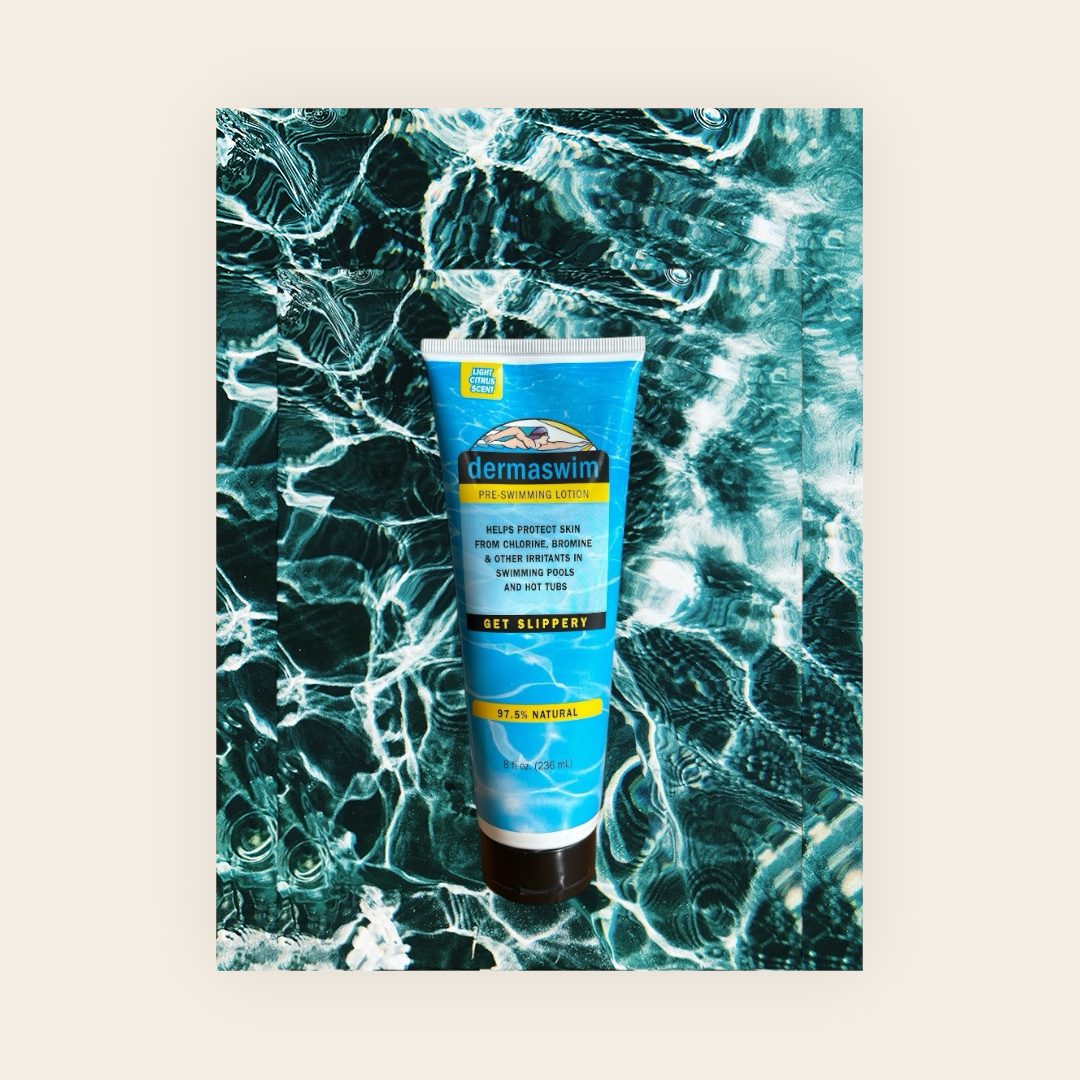
The best approach to chlorine rash is prevention. DermaSwim's protective barrier prevents the chemical exposure that leads to rash development, eliminating the need for recovery time.
Prevention Strategies:
- Barrier Protection: Apply DermaSwim before swimming
- Immediate Rinsing: Remove chlorine immediately after swimming
- Moisturizing: Maintain skin hydration daily
- Pool Selection: Choose well-maintained pools
Long-term Skin Health:
- Consistent Protection: Never skip barrier protection
- Skin Monitoring: Watch for early signs of irritation
- Professional Care: Regular dermatological check-ups
- Lifestyle Factors: Maintain overall health for better skin resilience
Skip the Recovery Time
Prevent chlorine rash before it starts with DermaSwim's protective barrier. No more waiting for your skin to heal, just healthy, protected swimming.
Buy NowImportant Disclaimer: This content is for informational purposes only and is not medical advice. Always consult with a healthcare provider before making decisions about skin care, especially if you have existing skin conditions or concerns about chemical exposure. Individual results may vary.