Chlorine rash affects millions of swimmers, but understanding why it happens and how to prevent it can transform your swimming experience. This comprehensive guide explains the science behind chlorine rash and provides proven prevention methods.
The Chemistry of Chlorine Damage
To understand why chlorine causes rash, it's essential to understand what chlorine actually does to your skin at the molecular level:
Chlorine's Oxidative Action:
- Electron Disruption: Chlorine steals electrons from skin proteins, causing structural damage
- Protein Denaturation: Changes the shape and function of essential skin proteins
- Lipid Peroxidation: Damages the fatty acids that form your skin's protective barrier
- Cellular Membrane Damage: Compromises the integrity of skin cell walls
The Domino Effect of Damage:
- Barrier Breakdown: Initial damage allows deeper chlorine penetration
- Inflammatory Response: Body's immune system responds to perceived threat
- Moisture Loss: Compromised barrier can't retain water effectively
- Sensitivity Increase: Damaged skin becomes more reactive to irritants
Why Chlorine Causes Rash
Chlorine disrupts your skin's natural protective barrier, leading to irritation, inflammation, and rash development. The chemical strips away natural oils and damages skin tissue through oxidative stress.
The Skin's Natural Defense System:
- Stratum Corneum: Outermost layer of dead skin cells that block chemicals
- Acid Mantle: Protective film of oils and sweat that maintains pH balance
- Ceramides: Waxy molecules that seal spaces between skin cells
- Natural Moisturizing Factors: Compounds that attract and hold water
How Chlorine Breaks Down These Defenses:
- Protein Disruption: Breaks down keratin in the stratum corneum
- Lipid Dissolution: Strips away protective oils and ceramides
- pH Disruption: Raises skin pH from acidic to alkaline
- Dehydration: Removes natural moisturizing factors
Individual Risk Factors
Not everyone develops chlorine rash equally. Several factors determine your vulnerability:
Genetic Factors:
- Skin Type: Fair skin typically has less protective melanin
- Barrier Function: Some people naturally have thinner or more permeable skin
- Sensitivity Genes: Genetic variations affect chemical sensitivity
- Inflammatory Response: Some individuals have heightened immune responses
Environmental Factors:
- Sun Exposure: UV damage compromises skin barrier function
- Dry Climate: Low humidity reduces skin moisture
- Pollution: Environmental toxins can weaken skin defenses
- Seasonal Changes: Cold weather often worsens skin sensitivity
Lifestyle Factors:
- Skincare Habits: Over-washing or harsh products damage barriers
- Diet: Nutritional deficiencies affect skin health
- Stress: Chronic stress weakens immune function
- Sleep: Poor sleep impairs skin repair processes
The Progression of Chlorine Rash
Understanding how chlorine rash develops helps explain why prevention is so important:
Phase 1: Initial Exposure (0-30 minutes)
- Chemical Contact: Chlorine begins breaking down skin proteins
- Immediate Reaction: Skin may feel tight or start to burn
- Barrier Weakening: Protective layer begins to compromise
- Penetration Increase: Damaged barrier allows deeper chlorine penetration
Phase 2: Inflammatory Response (30 minutes - 6 hours)
- Immune Activation: Body recognizes skin damage and responds
- Histamine Release: Triggers itching and inflammation
- Blood Flow Increase: Causes redness and swelling
- Pain Signaling: Nerve endings become sensitized
Phase 3: Tissue Damage (6-24 hours)
- Cell Death: Severely damaged cells begin to die
- Fluid Accumulation: Inflammation causes swelling
- Barrier Breakdown: Protective function is severely compromised
- Secondary Sensitivity: Skin becomes reactive to other irritants
Phase 4: Healing or Progression (24+ hours)
- Natural Repair: Body begins healing process if exposure stops
- Continued Damage: Ongoing exposure prevents healing
- Scar Formation: Severe damage may lead to permanent changes
- Sensitization: Repeated exposure can increase future sensitivity
Why Traditional Approaches Fall Short
Most swimmers try to manage chlorine rash with reactive treatments that miss the fundamental problem:
After-the-Fact Treatments:
- Timing Problem: Applied after damage has already occurred
- Limited Penetration: Can't reach already-damaged deeper layers
- Incomplete Repair: Can't fully reverse protein and lipid damage
- Temporary Relief: Provides comfort but doesn't address root cause
Avoidance Strategies:
- Reduced Benefits: Shorter swim sessions limit fitness gains
- Lifestyle Impact: Avoiding swimming affects social and recreational activities
- Ongoing Vulnerability: Doesn't improve skin's ability to handle chlorine
- Inconsistent Results: May work sometimes but not always
Stopping Chlorine Rash for Good
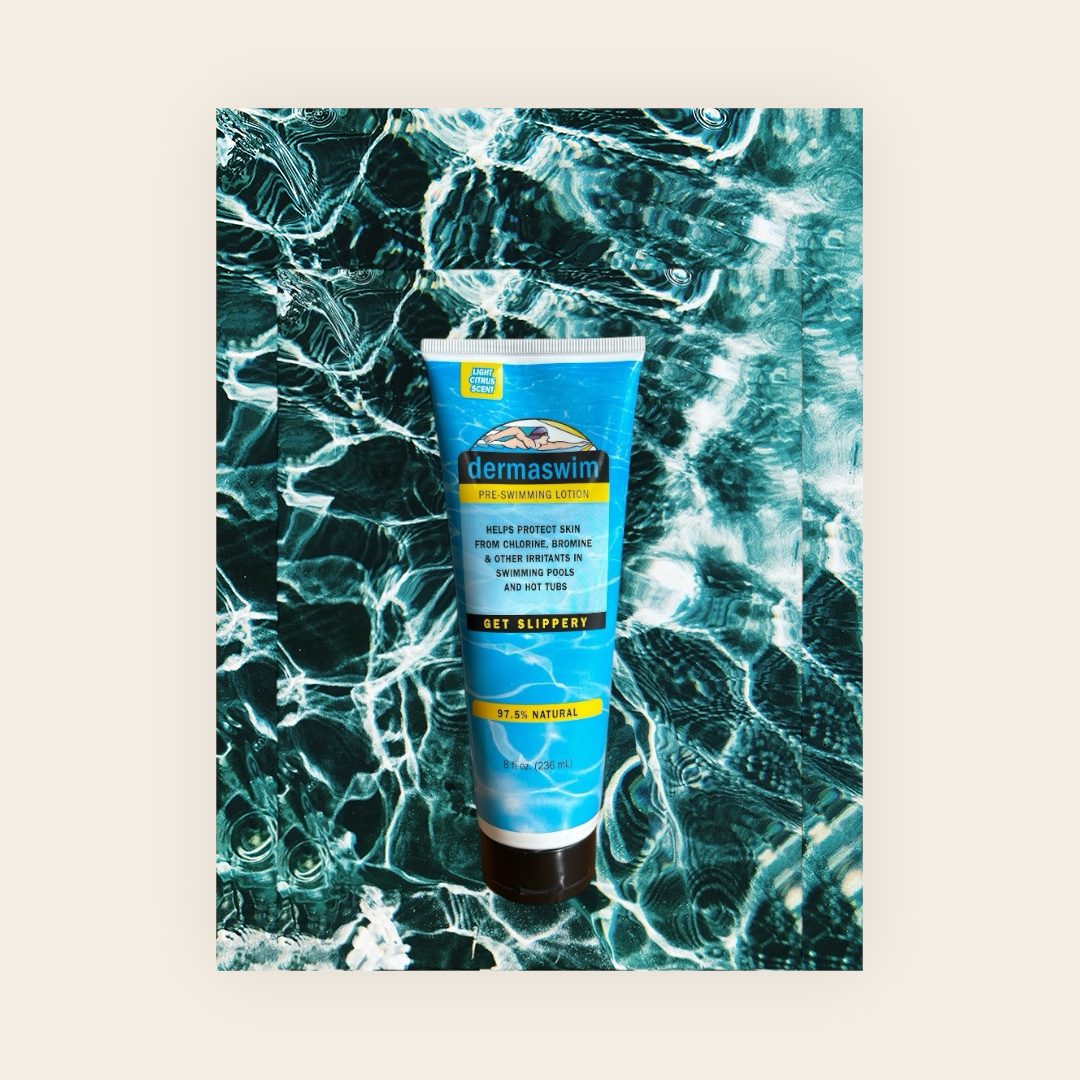
The most effective way to stop chlorine rash is through prevention with protective barriers. DermaSwim creates an invisible shield that prevents chlorine from reaching your skin, eliminating the cause of rash development.
The prevention advantage of barrier protection cannot be overstated. It blocks initial contact, preventing the first step in rash development before any damage occurs. This approach maintains barrier function by keeping natural skin defenses intact, rather than trying to repair them after damage. Prevention reduces the risk of developing increased sensitivity that can occur with repeated exposure, while providing consistent protection that works reliably with proper application.
Barrier protection works through multiple mechanisms. The physical barrier forms a protective layer on the skin surface that chlorine cannot penetrate. Chemical neutralization may occur as the barrier neutralizes chlorine on contact before it can cause damage. Moisture retention helps maintain skin hydration throughout swimming sessions, while the gentle formula ensures the protection itself won't irritate or damage sensitive skin.
Comprehensive Prevention Protocol
Maximum protection requires a systematic approach:
Pre-Swimming Preparation:
- Skin Assessment: Check for existing damage or irritation
- Barrier Application: Apply DermaSwim before swimming
- Complete Coverage: Ensure all exposed areas are protected
- Timing Optimization: Allow adequate time for barrier formation
During Swimming:
- Monitor Skin: Watch for any signs of breakthrough irritation
- Limit Exposure: Keep sessions within recommended duration
- Avoid Trauma: Don't rub or scratch skin while swimming
- Stay Hydrated: Drink water to support skin health from within
Post-Swimming Care:
- Immediate Rinse: Remove chlorine residue that may bypass protection
- Gentle Cleansing: Use mild, pH-balanced cleansers
- Moisturize: Apply moisturizer while skin is still damp
- Assess Results: Check for any breakthrough irritation
Long-term Skin Health Benefits
Preventing chlorine rash has benefits beyond immediate comfort:
Preserves Skin Integrity:
- Maintains Barrier Function: Keeps natural defenses strong
- Prevents Premature Aging: Reduces oxidative damage
- Maintains Elasticity: Preserves collagen and elastin
- Reduces Scarring: Prevents damage that can lead to permanent changes
Improves Swimming Experience:
- Comfortable Sessions: Swim without pain or discomfort
- Longer Workouts: Maintain fitness goals without skin concerns
- Consistent Routine: Swim regularly without recovery time
- Confidence: Enjoy swimming without worrying about reactions
Special Considerations
Certain situations require additional attention:
Sensitive Skin:
- Patch Testing: Test new products on small areas first
- Gradual Introduction: Start with shorter exposures
- Professional Guidance: Consult dermatologist for ongoing issues
- Product Selection: Choose gentle, hypoallergenic formulations
Existing Skin Conditions:
- Medical Clearance: Get approval from healthcare provider
- Modified Protocols: Adjust protection routine as needed
- Ongoing Monitoring: Watch for condition flare-ups
- Coordinated Care: Work with dermatologist and swim coach
End Chlorine Rash Forever
Stop dealing with chlorine rash and start enjoying swimming again. DermaSwim's barrier technology provides permanent protection.
Buy NowImportant Disclaimer: This content is for informational purposes only and is not medical advice. Always consult with a healthcare provider before making decisions about skin care, especially if you have existing skin conditions or concerns about chemical exposure. Individual results may vary.