The saltwater pool trend has many swimmers believing they've found the perfect solution to chlorine skin problems. But are saltwater pools really better for your skin, or is this just clever marketing? The answer might surprise you.
The Truth About Saltwater Pools
Saltwater pools still use chlorine, they just generate it differently through salt chlorination. This means you're still exposed to chlorine and its skin-damaging effects, just at potentially different levels.
How Saltwater Pools Actually Work:
- Salt Chlorination Process: Salt is converted to chlorine through electrolysis
- Chlorine Generation: Produces hypochlorous acid, the same sanitizing agent
- Continuous Production: Chlorine is generated constantly as needed
- Chemical Balance: Still requires pH adjustment and shock treatments
Common Saltwater Pool Misconceptions:
- "Chlorine-Free" Myth: Saltwater pools absolutely contain chlorine
- "Natural" Claims: Still require chemical treatment and maintenance
- "Gentler" Assumption: Can actually be more irritating in some cases
- Maintenance Myths: Require extensive chemical monitoring and adjustment
Saltwater vs. Traditional Chlorine Pools
Understanding the real differences helps make informed decisions about skin protection:
Chlorine Delivery Method:
- Traditional Pools: Chlorine added directly as chemical compounds
- Saltwater Pools: Chlorine generated from salt through electrolysis
- End Result: Both produce hypochlorous acid for sanitization
- Chemical Exposure: Both expose skin to chlorine compounds
Chlorine Concentration Comparison:
- Traditional Pools: 1-3 ppm free chlorine typical
- Saltwater Pools: 1-3 ppm free chlorine typical
- Shock Treatments: Both require periodic high-chlorine shocking
- Chloramine Formation: Both can develop irritating chloramines
Potential Advantages of Saltwater Pools
While not chlorine-free, saltwater pools may offer some benefits:
Chlorine Consistency:
- Steady Production: More consistent chlorine levels
- Reduced Fluctuation: Less variation in chemical concentration
- Automatic Generation: Continuous chlorine production
- Better Balance: May maintain pH more consistently
Reduced Chloramines:
- Fresh Chlorine: Newly generated chlorine is more effective
- Less Buildup: Reduced accumulation of irritating chloramines
- Better Sanitization: More effective at killing bacteria
- Reduced Odor: Less "chlorine smell" from chloramines
Potential Disadvantages of Saltwater Pools
Saltwater pools can present unique challenges:
Salt-Related Issues:
- Skin Drying: Salt can be more drying than regular chlorine
- Eye Irritation: Salt water can irritate eyes and mucous membranes
- Wound Stinging: Salt causes pain in cuts and abrasions
- Dehydration: Salt exposure can increase dehydration
Maintenance Complications:
- Complex Chemistry: Requires understanding of salt chlorination
- Equipment Issues: Salt cells require regular cleaning and replacement
- Corrosion Problems: Salt accelerates corrosion of metal components
- pH Instability: Salt chlorination can cause pH drift
Skin Impact Comparison
Both pool types can cause skin problems without proper protection:
Similar Skin Issues:
- Chlorine Exposure: Both expose skin to chlorine compounds
- Barrier Disruption: Both can damage skin's protective barrier
- Dryness and Irritation: Both cause similar skin problems
- Long-term Damage: Both can cause cumulative skin damage
Saltwater-Specific Concerns:
- Osmotic Stress: Salt draws moisture from skin cells
- Electrolyte Imbalance: Can affect skin's natural balance
- Increased Permeability: Salt may increase chemical absorption
- Wound Healing: Salt can slow healing of minor cuts
Protection Strategies for Both Pool Types
Effective skin protection works for both traditional and saltwater pools:
Universal Protection Principles:
- Barrier Formation: Create protective layer before swimming
- Chemical Blocking: Prevent chemical penetration
- Moisture Retention: Maintain skin hydration
- Post-Swim Care: Immediate rinsing and moisturizing
Saltwater-Specific Adjustments:
- Enhanced Moisturizing: Extra hydration for salt exposure
- Wound Protection: Cover cuts and abrasions
- Eye Protection: Consider goggles for sensitive eyes
- Rinse Thoroughly: Remove salt residue completely
Protection Needed for All Pool Types
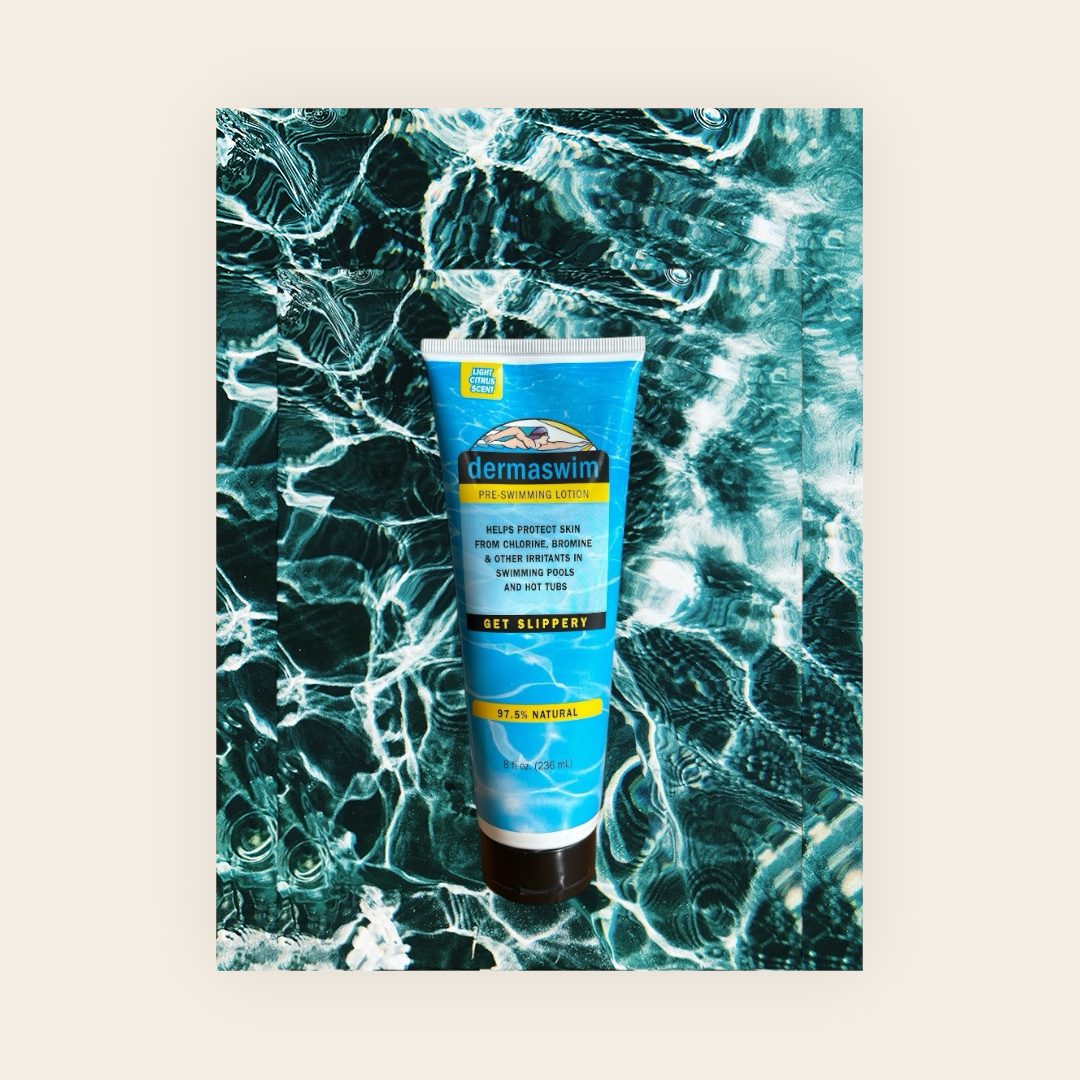
Whether you swim in saltwater or traditional chlorinated pools, DermaSwim provides essential protection against chemical exposure that can damage your skin over time.
DermaSwim's Universal Effectiveness:
- Chlorine Protection: Blocks chlorine in all forms
- Salt Barrier: Reduces salt-related skin drying
- Multi-Chemical Defense: Protects against various pool chemicals
- Consistent Results: Reliable protection regardless of pool type
Application for Different Pool Types:
- Traditional Pools: Standard application provides full protection
- Saltwater Pools: Same application with enhanced moisturizing benefits
- High-Salt Pools: May benefit from slightly more generous application
- Hybrid Systems: Effective for pools using multiple sanitization methods
Making the Right Choice
Pool type selection should consider maintenance, cost, and health factors:
Decision Factors:
- Maintenance Complexity: Consider your technical comfort level
- Initial Investment: Saltwater systems cost more upfront
- Operating Costs: Compare long-term chemical and equipment costs
- Skin Sensitivity: Some people prefer one type over another
Health Considerations:
- Skin Conditions: Consult healthcare providers about preferences
- Allergies: Some people are sensitive to salt or specific chemicals
- Swimming Frequency: Daily swimmers may benefit more from consistency
- Protection Availability: Ensure you can protect your skin regardless of choice
Protection for Every Pool Type
Don't let pool type fool you, protect your skin in saltwater and traditional pools alike with DermaSwim's comprehensive barrier technology.
Buy NowImportant Disclaimer: This content is for informational purposes only and is not medical advice. Always consult with a healthcare provider before making decisions about skin care, especially if you have existing skin conditions or concerns about chemical exposure. Individual results may vary.