Identifying chlorine skin rash early and understanding prevention strategies can save you from discomfort and potential long-term skin damage. This comprehensive guide covers recognition, treatment, and prevention of chlorine-related skin problems.
Visual Identification of Chlorine Rash
Chlorine rash presents in several distinct forms, each requiring different levels of attention and care:
Early-Stage Chlorine Rash:
- Appearance: Light pink to red discoloration
- Texture: Slightly rough or dry feeling
- Location: Areas directly exposed to chlorinated water
- Symptoms: Mild itching or burning sensation
- Timeline: Appears within 2-6 hours of exposure
Moderate Chlorine Rash:
- Appearance: Bright red, inflamed patches
- Texture: Raised, bumpy, or scaly surface
- Location: Spreads beyond initial contact areas
- Symptoms: Persistent itching and discomfort
- Timeline: Develops 6-24 hours after exposure
Severe Chlorine Rash:
- Appearance: Deep red, possibly with blisters
- Texture: Swollen, cracked, or weeping
- Location: Large areas or full-body involvement
- Symptoms: Intense itching, pain, burning
- Timeline: Develops within 24-48 hours
Body Location Patterns
Chlorine rash typically follows predictable patterns based on exposure:
Common Areas Affected:
- Face and Neck: Most sensitive areas, often affected first
- Torso: Chest, back, and abdomen from direct water contact
- Arms and Legs: Particularly inner arms and thighs
- Skin Folds: Armpits, groin, and under breasts where chemicals collect
Less Common Areas:
- Scalp: Under hair where chlorine residue remains
- Hands and Feet: May be less affected due to thicker skin
- Covered Areas: Under swimsuit straps or tight-fitting gear
Distinguishing Chlorine Rash from Other Conditions
Proper identification requires understanding what chlorine rash is NOT:
Chlorine Rash vs. Sunburn:
- Chlorine Rash: Patchy, irregular distribution; immediate burning sensation
- Sunburn: Uniform redness; delayed onset; warm to touch
- Location: Chlorine affects submerged areas; sunburn affects exposed areas
- Timing: Chlorine rash develops during/after swimming; sunburn appears hours later
Chlorine Rash vs. Allergic Reaction:
- Chlorine Rash: Gradual development; localized to exposure areas
- Allergic Reaction: Rapid onset; can be systemic; may include hives
- Symptoms: Allergic reactions may include breathing difficulties
- Pattern: Allergic reactions can affect unexposed areas
Chlorine Rash vs. Bacterial Infection:
- Chlorine Rash: Chemical irritation; no fever or systemic symptoms
- Bacterial Infection: May include fever, pus, red streaks
- Timing: Bacterial infections develop 24-48 hours after exposure
- Treatment: Infections require antibiotic treatment
Symptom Progression Timeline
Understanding how chlorine rash develops helps with early intervention:
Immediate (0-2 hours):
- Stinging or burning sensation during swimming
- Skin feels tight or dry immediately after exposure
- Mild redness may be visible
- Itching may begin during this phase
Short-term (2-12 hours):
- Redness intensifies and spreads
- Itching becomes more persistent
- Skin texture changes become noticeable
- Discomfort increases significantly
Peak (12-48 hours):
- Maximum redness and inflammation
- Intense itching that may disrupt sleep
- Possible development of bumps or blisters
- Skin may begin to flake or peel
Risk Assessment Factors
Certain factors increase the likelihood and severity of chlorine rash:
Personal Risk Factors:
- Skin Type: Fair, sensitive, or dry skin
- Age: Children and elderly more vulnerable
- Health Conditions: Eczema, psoriasis, or other skin conditions
- Medications: Certain drugs increase skin sensitivity
- Recent Skin Treatments: Shaving, exfoliation, or chemical peels
Environmental Risk Factors:
- Pool Maintenance: Poorly balanced chemical levels
- Exposure Time: Extended swimming sessions
- Water Temperature: Warmer water increases absorption
- Chemical Shock: Recent high-dose chemical treatments
Prevention is Key
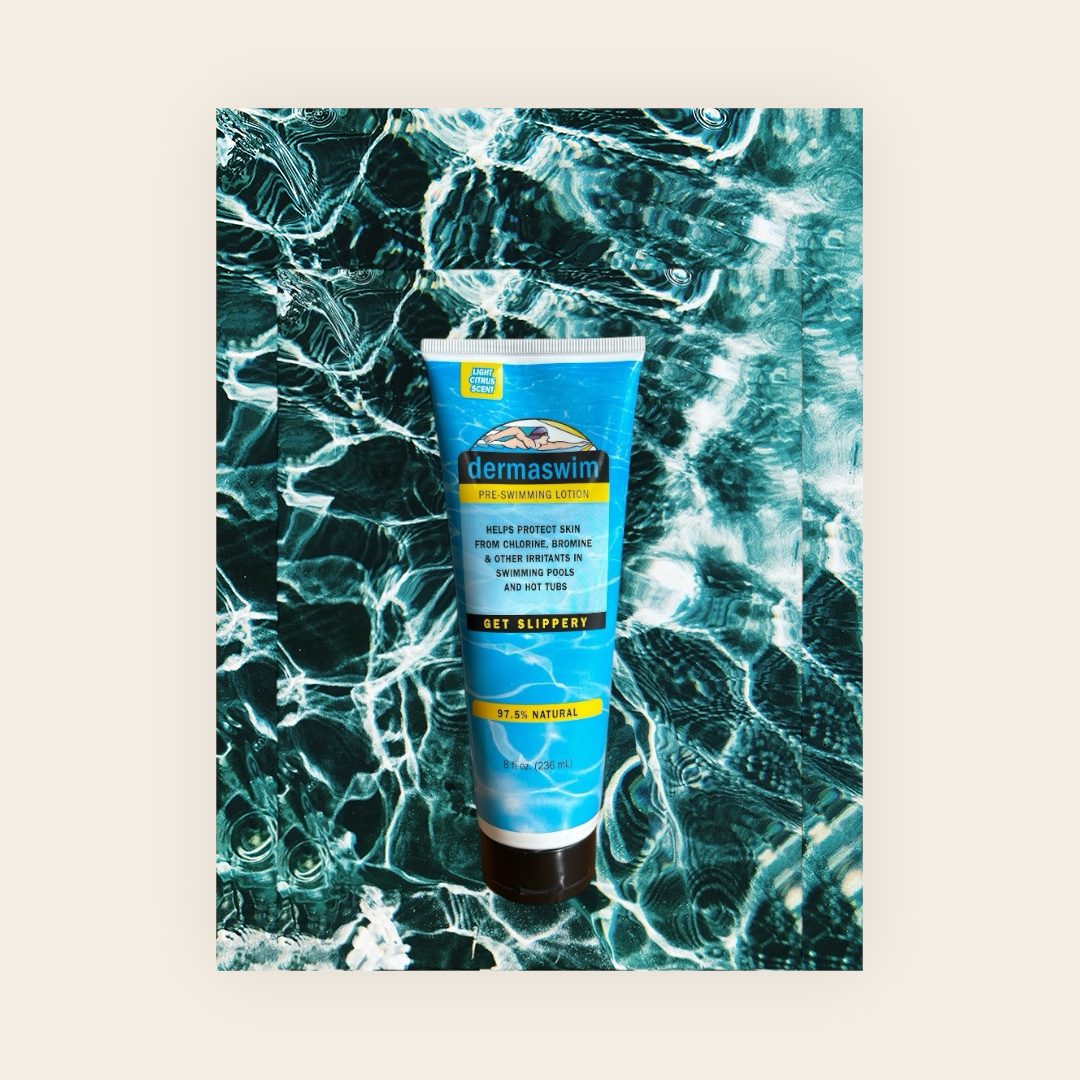
The most effective approach to chlorine rash is prevention through protective barriers. DermaSwim creates an invisible shield that prevents chlorine from contacting your skin, eliminating the risk of rash development.
Comprehensive Prevention Strategy:
- Barrier Protection: Apply DermaSwim before every swimming session
- Pre-Swimming Preparation: Shower before entering pool to wet skin
- Timing Awareness: Avoid swimming immediately after recent chemical treatments
- Pool Selection: Choose well-maintained pools with proper chemical balance
Application Best Practices:
- Timing: Apply before swimming for optimal barrier formation
- Coverage: Ensure complete coverage of all exposed areas
- Reapplication: Reapply after extended sessions or as directed
- Consistency: Use before every swimming session for reliable protection
Early Intervention Strategies
If you notice early signs of chlorine rash, immediate action can prevent progression:
Immediate Response Protocol:
- Exit Water: Leave the pool immediately if burning sensation occurs
- Rinse Thoroughly: Use cool, fresh water to remove chlorine residue
- Apply Treatment: Use aloe vera or moisturizer immediately
- Monitor Progress: Watch for worsening symptoms over next 24 hours
Long-term Skin Health:
- Regular Assessment: Check skin condition before and after swimming
- Skin Barrier Maintenance: Use gentle, moisturizing products daily
- Professional Consultation: Seek dermatological advice for recurring issues
- Swimming Modifications: Adjust frequency and duration based on skin response
Complete Rash Prevention
Eliminate chlorine rash from your swimming experience with DermaSwim's proven protective barrier technology.
Buy NowImportant Disclaimer: This content is for informational purposes only and is not medical advice. Always consult with a healthcare provider before making decisions about skin care, especially if you have existing skin conditions or concerns about chemical exposure. Individual results may vary.